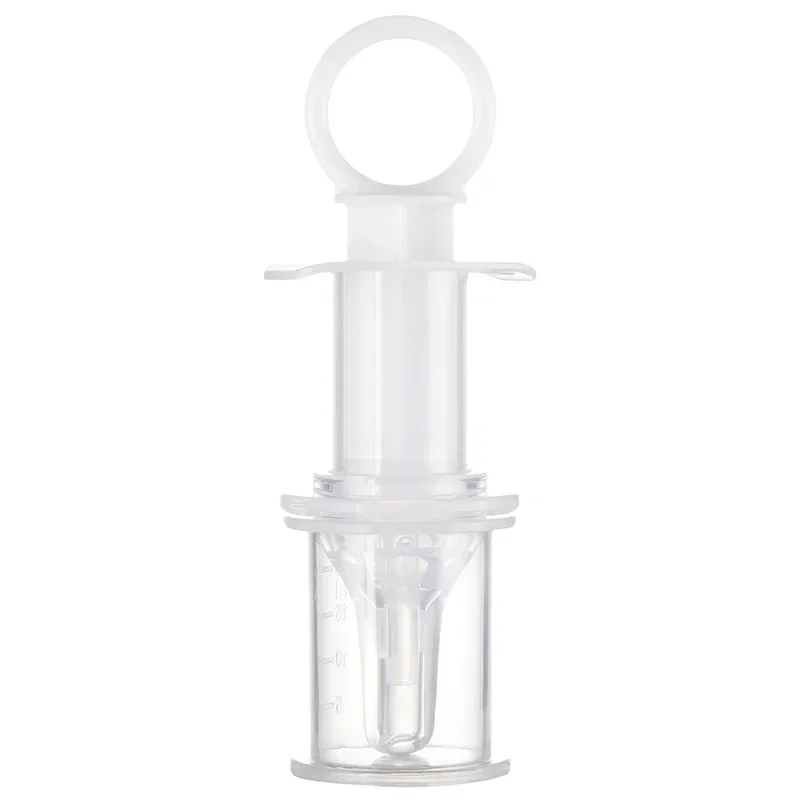
The arrival of a new baby brings many changes to your daily routine, and one of the most important aspects to navigate is feeding. Whether you are breastfeeding, bottle-feeding, or a combination of both, establishing a feeding routine for your baby can help bring structure and predictability to your days, while ensuring that your little one is getting the nourishment they need to grow and thrive. In this blog, we will provide guidance on how to establish a feeding routine, discuss the benefits, and offer tips to make feeding times smoother for both you and your baby.
For new parents, one of the first questions that comes up is how often to feed a baby and when to start a routine. A feeding routine helps bring balance to your baby’s life, but it also offers multiple benefits for you as a parent. Some key reasons to establish a feeding routine include:
It’s important to note that every baby is different, and the ideal feeding routine will vary depending on the baby’s age, growth, and unique needs.
There’s no one-size-fits-all answer to when to start a feeding routine, as every baby’s needs are different. However, most experts recommend starting to establish some form of routine by around 3 to 6 weeks of age. During this time, babies start to develop more regular feeding patterns, and you may start to notice that your little one is waking up around the same times each day for feedings.
In the first few weeks, feeding may be more spontaneous, especially if you’re breastfeeding. Newborns tend to nurse frequently—often 8-12 times a day—because their tummies are so
small. Over time, as your baby grows, their feeding sessions may lengthen and space out, which makes it easier to establish a more predictable routine.
To get started with a feeding routine, consider the following steps. Keep in mind that flexibility is key—babies have growth spurts, and their feeding needs may change frequently. Your feeding routine should evolve as your baby grows.
Before diving into any set schedule, it’s essential to learn your baby’s hunger cues. For newborns, hunger cues are often subtle and can include:
Responding to these cues promptly can help avoid the stress and discomfort of a crying baby. Once your baby starts showing signs of hunger, try to feed them within a reasonable timeframe to prevent them from getting too upset.
In the early weeks, aim for a feeding schedule that allows for some flexibility. Babies often feed every 2-3 hours, but this will vary. Some days, your baby may want to feed more often, while other days, they may be satisfied with longer intervals.
For example:
As your baby grows, you can gradually stretch the time between feedings, especially as they begin to consume more milk at each session.
While your baby’s sleep patterns will naturally change, you can start introducing a consistent feeding routine that helps distinguish day from night. Babies often begin to sleep for longer stretches at night by 3-4 months, but it’s important to help them recognize the difference between daytime and nighttime.
Here are some tips to help establish a daytime and nighttime feeding routine:
Establishing a pattern like this can help your baby sleep for longer periods at night and reduce the number of nighttime feedings over time.
Whether you’re breastfeeding, bottle-feeding, or doing a combination of both, there are some helpful tips to ensure your baby’s feeding routine is as smooth as possible.
Breastfeeding Tips:
Bottle-Feeding Tips:
offering bottles at consistent intervals.
At certain times, you may notice your baby feeding more often, even if they have been on a consistent routine. This is often due to cluster feeding (a period of increased feeding that typically happens in the evenings) or a growth spurt. These phases usually last a few days and are completely normal.
During a growth spurt, your baby’s appetite will increase as they go through a period of rapid growth. This might mean that they need extra feedings or are eating for longer periods. Be patient, as these phases don’t last long.
Feeding time can be an opportunity for bonding with your baby. To make the experience enjoyable:
Around 4-6 months, your baby will likely show signs that they are ready for solid foods. These signs include:
It’s important to consult with your pediatrician before introducing solids to ensure that your baby is developmentally ready.
Conclusion
Establishing a feeding routine for your baby takes time, patience, and flexibility. While it’s important to have a general schedule in mind, remember that babies change quickly and their needs may shift as they grow. By staying in tune with your baby’s hunger cues, offering consistent feedings, and being flexible during growth spurts or cluster feedings, you can create a routine that works for both you and your little one. Remember, every baby is unique, and as a parent, you’re doing an incredible job caring for your baby’s needs during this exciting, yet challenging time.